Scalable Systems
Distributed architecture, event pipelines and data models sized for the traffic you expect over the next few years.

Purvex Labs builds backends, AI features and apps that have to keep working: job queues that survive crashed workers, real-time tools, and the software a team opens every morning. Everything below is shipped and running.
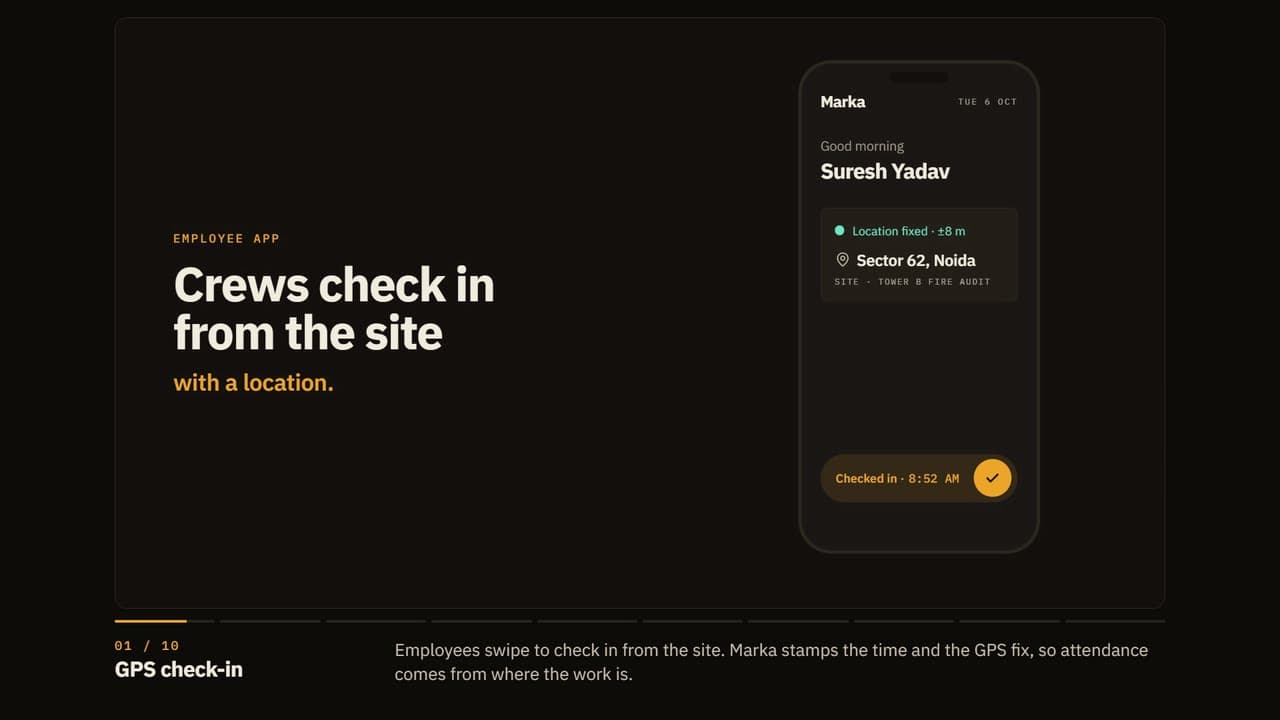
The attendance and payroll platform the whole company runs on: two Flutter apps and a Next.js admin portal on Supabase. GPS-verified check-in with biometrics, a live crew map, on-device OCR for expense receipts, leave approvals and salary slips that calculate themselves.
Flutter · Next.js · TypeScript · Supabase · Mapbox · ML Kit
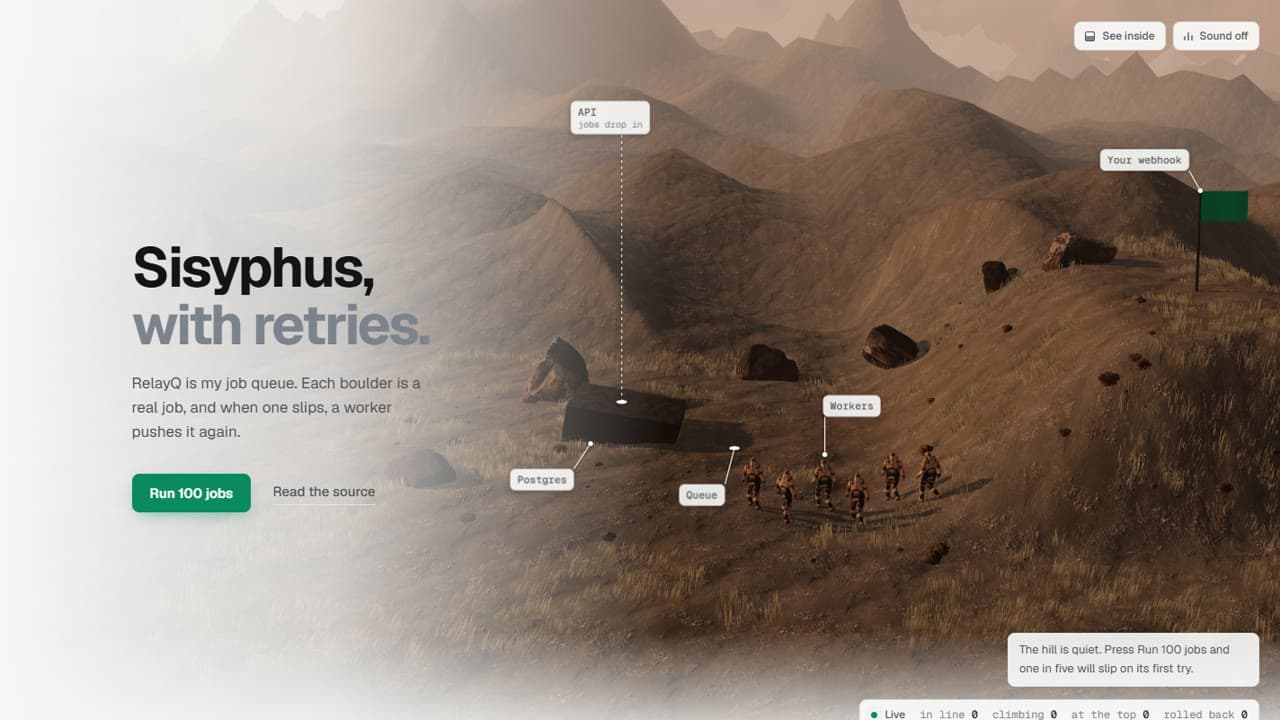
A multi-tenant background-job service built to survive workers being killed mid-job. A transactional outbox and an idempotent effect log mean a crash never loses or repeats work. LLM jobs get per-tenant budgets, fallback models and a cost ledger.
TypeScript · Node.js · BullMQ · Redis · PostgreSQL · OpenTelemetry · AWS
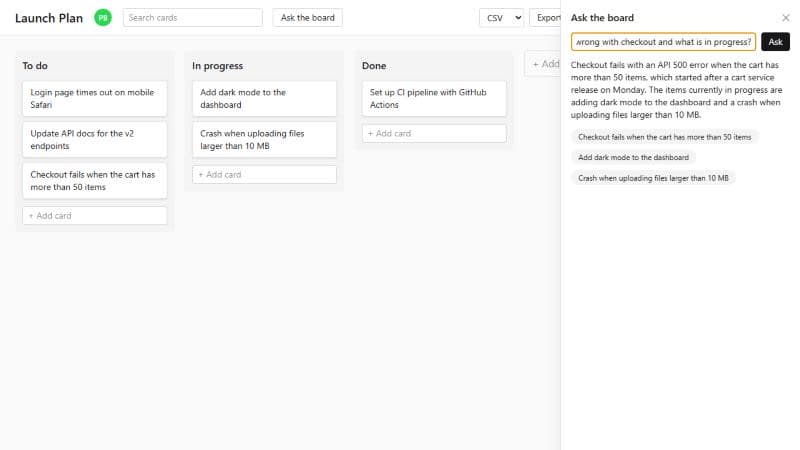
A real-time Kanban board with live cursors and an "Ask the board" assistant that answers with citations. Hybrid search (pgvector plus full-text, fused with RRF), LLM evals that fail CI on regressions, deployed to ECS Fargate behind CloudFront with CDK.
Next.js · Socket.io · PostgreSQL · pgvector · Redis · Bedrock · AWS CDK
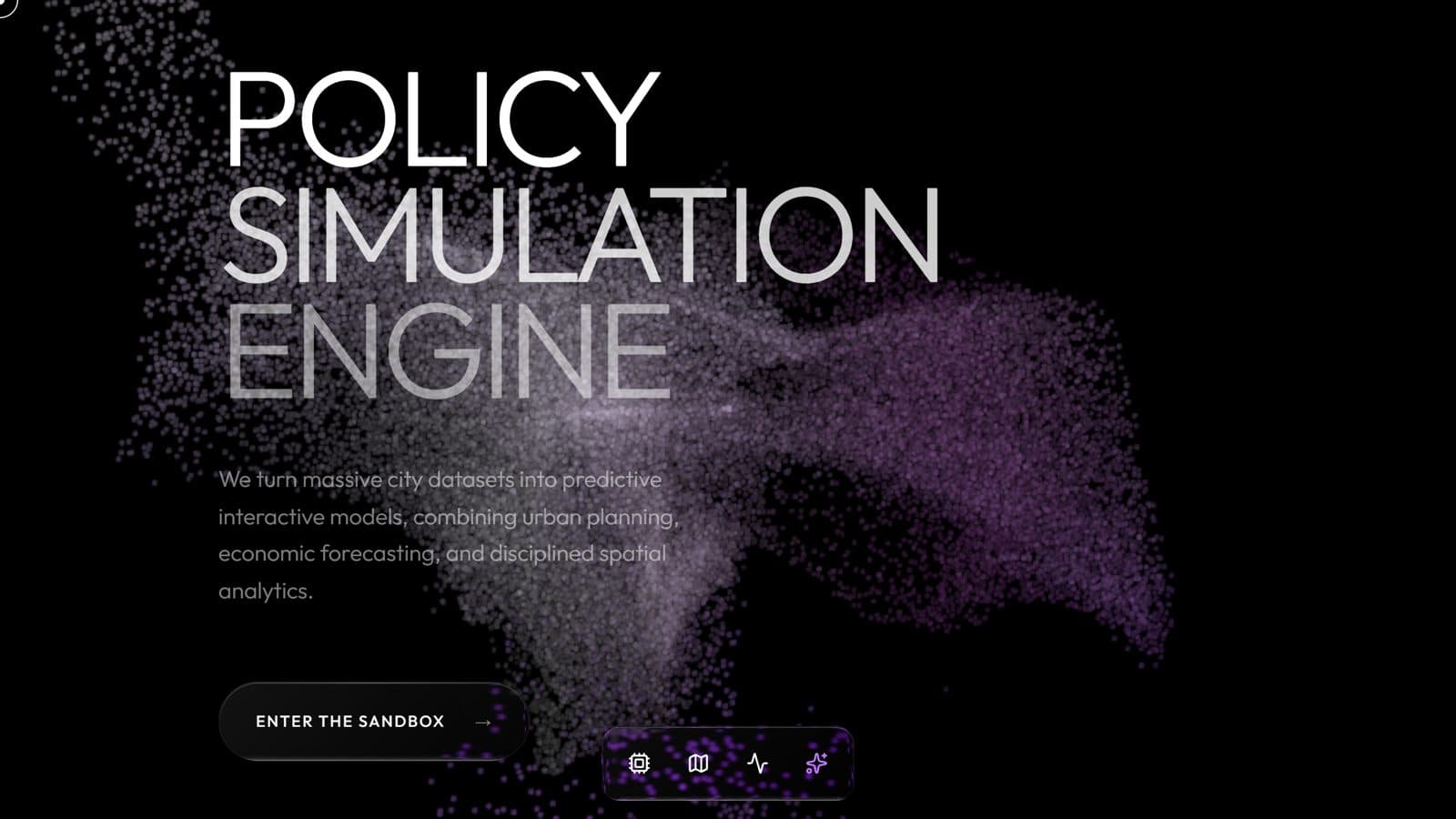
An agent-based model for testing zoning, transit and housing policy before it is enacted. Commuters move over Delhi's real road network, with congestion calibrated against RITES mode-share and DMRC ridership data.
Python · Mesa · OSMnx · FastAPI · Next.js

Founder · Full-stack & AI engineer · Delhi
I started Purvex Labs to do the kind of work I like best: backends that keep running when something breaks, AI features that cite their sources, and apps people open every morning.
Before this I built Marka for City Fire Services, which their whole team now uses daily, and before that I built data pipelines for a graph neural network research group at IIIT Delhi.
We audit the running system first: the code, the data model, the deploy path and the incidents you already know about.
We decide the interface and the architecture together, so whatever you sign off on can actually run on your infrastructure.
We load-test for the traffic you expect, fix whatever bends, and only then ship it.
Every Friday there is a deployed build you can click through, with a short note on what changed.
Your repo, your board, your code review. You see every commit as it lands.
Architecture docs, runbooks and a walkthrough with your team, so they can run it after we leave.
Distributed architecture, event pipelines and data models sized for the traffic you expect over the next few years.
Interaction and visual systems built as real components from day one, so the design survives contact with engineering.
Fast, accessible front ends that search engines can read. We pick server or client rendering route by route.
Cross-platform products with offline-first sync and a release process that does not require heroics.